

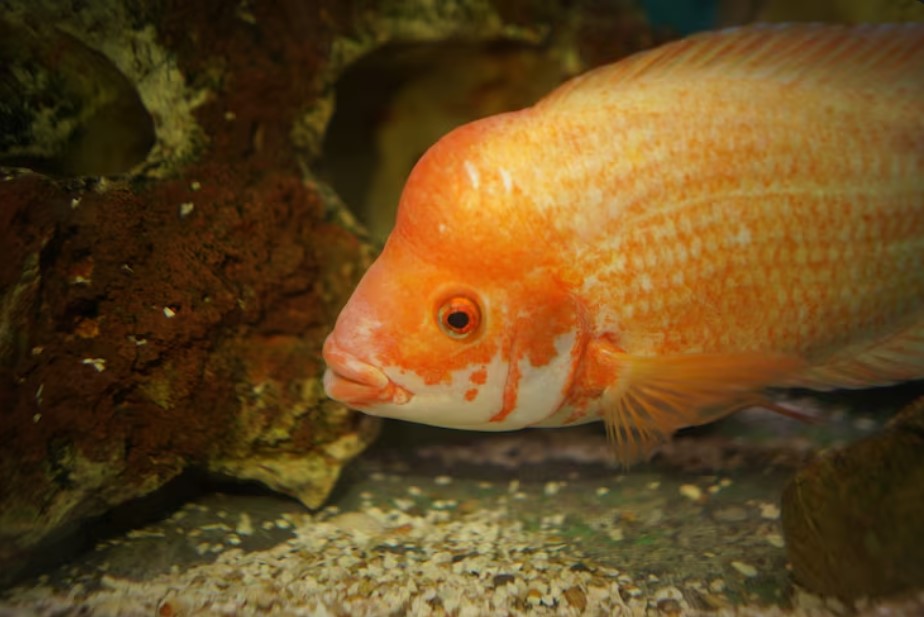
Goldfish are one of the most popular freshwater fish because they are beautiful, active, and fascinating to watch. Many people choose goldfish as pets because they are often considered beginner-friendly. However, keeping goldfish healthy requires more than just adding food to the tank.
Choosing the right Goldfish food plays an important role in supporting growth, energy, digestion, coloration, and overall health. A balanced diet helps goldfish maintain strong bodies and reduces common feeding-related problems.
Many new fish owners wonder what goldfish can eat, how often they should be fed, and whether foods designed for other fish, such as Betta fish food, are suitable.
This guide explains goldfish nutrition, feeding habits, food types, and common mistakes beginners should avoid.
Understanding Goldfish Nutrition
Goldfish are omnivorous fish, which means they can eat both plant-based and animal-based foods.
In nature, goldfish may consume:
-
Aquatic plants
-
Algae
-
Small insects
-
Insect larvae
-
Small organisms
-
Plant matter
In a home aquarium, their diet usually comes from specially prepared commercial foods designed to meet their nutritional needs.
Quality Goldfish food should provide a balanced combination of:
-
Protein
-
Carbohydrates
-
Healthy fats
-
Vitamins
-
Minerals
A balanced diet supports:
-
Growth
-
Energy
-
Immune function
-
Healthy digestion
-
Natural coloration
Why Choosing the Right Goldfish Food Matters
Goldfish may eat many different foods, but not every food is suitable for regular feeding.
The wrong diet can contribute to:
-
Poor growth
-
Digestive issues
-
Water quality problems
-
Reduced activity
-
Nutritional deficiencies
Goldfish produce a significant amount of waste compared with many other aquarium fish. Poor-quality food or overfeeding can quickly affect aquarium conditions.
Choosing the correct food helps support both fish health and cleaner water.
Types of Goldfish Food
Goldfish foods are available in several forms.
Each type has advantages depending on your fish size, feeding habits, and aquarium setup.
Goldfish Flakes
Flakes are one of the most common types of fish food.
Benefits include:
-
Easy feeding
-
Suitable for small goldfish
-
Simple portion control
However, flakes can absorb water quickly and may lose nutritional value if left exposed for too long.
Avoid adding more flakes than your fish can consume because leftover food can pollute the aquarium.
Goldfish Pellets
Pellets are a popular choice for many goldfish owners.
They are available in:
-
Floating pellets
-
Slow-sinking pellets
-
Sinking pellets
Benefits include:
-
Less mess
-
Easier portion control
-
Good nutrient concentration
Pellet size should match your fish.
Small goldfish need smaller pellets, while larger varieties can handle bigger pieces.
Frozen and Live Foods
Some goldfish owners provide occasional treats such as:
-
Bloodworms
-
Brine shrimp
-
Daphnia
These foods can add variety to the diet.
However, treats should not replace a balanced commercial goldfish diet.
Overusing high-protein treats may create digestive issues.
Vegetables for Goldfish
Plant-based foods can be an important part of goldfish nutrition.
Suitable vegetables may include:
-
Peas
-
Lettuce
-
Spinach
-
Zucchini
Vegetables can provide fiber that supports digestion.
Always prepare fresh foods properly and remove leftovers to prevent water quality problems.
Can Goldfish Eat Betta Fish Food?
Many beginners ask whether Betta fish food can be given to goldfish.
While goldfish may eat some betta pellets, betta food is not designed specifically for goldfish.
Betta diets are usually formulated around the nutritional needs of bettas, which are different from goldfish.
Goldfish are omnivores and generally benefit from foods created specifically for their species.
Using Betta fish food occasionally is unlikely to be a major issue, but it should not replace a complete goldfish diet.
Always choose food based on the fish you are feeding.
How Often Should You Feed Goldfish?
One of the biggest mistakes beginners make is overfeeding.
Goldfish do not need large amounts of food.
A good feeding routine usually involves:
-
Small portions
-
Regular schedules
-
Monitoring how much fish consume
Feed only what your goldfish can eat within a short period.
Uneaten food should be removed because it breaks down and affects water quality.
How Much Food Should Goldfish Eat?
The correct amount depends on:
-
Fish size
-
Number of fish
-
Water temperature
-
Activity level
-
Food type
Watch your fish during feeding.
Signs you may be overfeeding include:
-
Leftover food
-
Cloudy water
-
Excess waste
-
Reduced water quality
Healthy feeding is about consistency, not quantity.
Goldfish Food for Different Life Stages
Goldfish have different nutritional needs as they grow.
Baby Goldfish
Young goldfish require nutrient-rich foods that support development.
Smaller food sizes are usually easier for them to eat.
Adult Goldfish
Adult goldfish need balanced maintenance diets that support health and body condition.
Large Goldfish Varieties
Some larger varieties may require larger pellets and carefully managed portions.
Always choose food appropriate for your fish size.
Goldfish as Pets: Why Nutrition Matters
Many people choose goldfish as pets because they are attractive and enjoyable to observe.
However, goldfish can live for many years when provided with proper care.
Good nutrition works together with:
-
Proper tank size
-
Clean water
-
Filtration
-
Regular maintenance
-
Suitable tank mates
A healthy diet helps goldfish remain active and display their natural behaviors.
Common Goldfish Feeding Mistakes
Overfeeding
Extra food creates waste and can harm water quality.
Feeding Only One Type of Food
A varied diet can provide better nutritional balance.
Using the Wrong Fish Food
Food designed for other species may not provide the correct nutrition.
Ignoring Food Size
Large pellets can be difficult for small fish to eat.
Leaving Uneaten Food
Remove leftover food to maintain cleaner water.
Buying Low-Quality Food
Cheap food may not provide the nutrients goldfish need.
How to Choose the Best Goldfish Food
Before buying Goldfish food, consider:
Ingredients
Look for balanced formulas with quality protein sources and essential nutrients.
Fish Size
Choose food that matches your goldfish size.
Food Type
Select flakes, pellets, or other options based on your feeding routine.
Storage
Keep food:
-
Dry
-
Sealed
-
Away from moisture
-
Within expiration dates
Fresh food maintains better nutritional quality.
Goldfish Food and Water Quality
Food directly affects aquarium conditions.
Poor feeding habits can lead to:
-
Excess waste
-
Cloudy water
-
Increased ammonia
-
Algae growth
A good diet combined with proper filtration creates a healthier environment.
Remember that feeding your fish is also managing your aquarium ecosystem.
Creating a Healthy Goldfish Feeding Routine
A successful feeding routine starts with understanding your fish’s needs.
Choose quality Goldfish food, feed controlled portions, and monitor how your fish respond.
Avoid switching foods suddenly. If changing diets, introduce new food gradually.
Observe:
-
Appetite
-
Activity
-
Body condition
-
Waste levels
Small adjustments can make a big difference in long-term fish health.
Build Better Care for Your Goldfish
Choosing the right food is one of the easiest ways to improve goldfish care.
Whether you are a first-time owner or have kept fish for years, understanding nutrition helps your goldfish stay active and healthy.
Before buying new food, review your current feeding routine. Check whether your fish are receiving species-appropriate nutrition, suitable portions, and a balanced diet.
While some products like Betta fish food may seem similar, every fish species has different nutritional needs.
A healthy goldfish starts with clean water, proper care, and the right diet.
Frequently Asked Questions
1. What is the best Goldfish food for beginners?
The best Goldfish food is a balanced formula made specifically for goldfish, available in flakes or pellets based on your fish size and feeding habits.
2. Can goldfish eat Betta fish food?
Goldfish may eat Betta fish food, but it is not designed as their primary diet. Goldfish should mainly receive food formulated for their nutritional requirements.
3. How often should I feed my goldfish?
Most goldfish do well with small feedings once or multiple times daily depending on their size, activity, and water temperature.
4. Are goldfish easy pets?
Many people choose goldfish as pets because they are enjoyable and beautiful, but they still require proper tank care, filtration, and nutrition.
5. Can goldfish eat vegetables?
Yes, many goldfish enjoy suitable vegetables such as peas and leafy greens. Vegetables can provide variety and additional fiber in their diet.